The Vindra method
Stop segmenting your audience by age. Start connecting with what they come to feel.
The first AI-powered motivational segmentation tool built for culture. In minutes, tailor what your theatre, independent venue, museum, festival, library or arts centre says to each person, using six scientifically validated motivational profiles. You don't need a complex database, technical skills or a budget out of reach.
5% → 54%
Rise in click-to-open rate (CTOR) in segmented campaigns.
×10
Faster reactivation of dormant contacts in the database.
< 1 hour
To design a full campaign with generative AI.
V
The problem
Cultural marketing's big blind spot: why segmenting by age or postcode no longer fills the house.
Recent research points one way. Attendance and loyalty depend more on attitudes, such as imagination or empathy, than on the classic demographic profile.
Same profile, opposite motives
Two 45-year-olds from the same neighbourhood with the same education can go to the theatre for opposite reasons. One wants to discover something new; the other wants the bond with a venue they already know. Demographics treat them as the same person.
It says nothing about who's missing
A CRM records the people who already bought a ticket. It tells you nothing about the person who has read your newsletter for two years and never come, or why they haven't.
It doesn't predict return
Knowing someone is between 30 and 40 won't tell you whether they'll be back next season. Knowing what makes them come will.
n = 92
Our own survey of cultural organisations (2025): AI use is concentrated on generating text. Only a minority use it to understand their audience.
34–55%
Lack of motivation, not price or distance, is the main reason people don't take part in culture. It applies to 34% of people who don't go to concerts and 55% of those who don't use libraries (Ifop / Art Explora, 2025). This is international context, not a measurement of the Spanish case.
Automating messages on top of weak segmentation just makes their irrelevance louder. The question isn't whether to use AI. It's what audience model sits behind it.
The Vindra model
A closer look at what moves people.
Vindra adapts John Falk's model of identity-related motivations, first established in museums, to cultural organisations of every kind. Motivations depend on the situation; they aren't fixed personality labels. The same person can fit a different profile depending on the event and the moment. And they are more precise than any demographic data: someone's disposition towards culture explains participation better than their age, gender or where they live. Pick a segment.
Curious
Discovery
Discovery
Curious
They come for what they haven't seen before. A repeated programme, however good, gives them no reason to return.
Free resource
The six motivational profiles, in one PDF.
A description of each profile, its main motivation and what sets it apart from the others. Free, straight to your inbox. The guide is currently in Spanish.
The difference
What changes when you stop segmenting by age.
Same goal, two ways of getting there. Here is what changes, point by point.
| Criterion | Traditional marketing | Vindra |
|---|---|---|
| Approach | Demographic segmentation: age, postcode, education. | Motivational segmentation: what makes each person come. |
| Assumed barriers | Price, distance or lack of time. | Lack of motivation and a message that isn't relevant. |
| Relationship with the audience | One message for the whole contact list. | A different message and channel for each motivational profile. |
| Use of AI | Generic automation with no audience model behind it. | Generative AI working on six motivational profiles. |
| Channel efficiency | Same channel and frequency for everyone. | Channel, frequency and timing set by profile. |
| Campaign results | Generic open and click rates, with no differentiation. | CTOR of up to 54% in segmented campaigns (Sala Ártika case). |
How it works
From motivation to ticket sales, in four steps.
Each step builds on what the previous one produced. You don't need a complex database to start.
A short questionnaire
Eight motivational questions plus a ninth attitude check that sharpens the result without making it longer. Most people finish it in a few minutes.
The motivational profile of everyone who answers.
Channel priorities
We score every available channel on capacity, relevance, accessibility and progression, so you put your effort where it pays off instead of spreading it across all of them at once.
The best channels for each profile, not a generic list.
Activation by inference
For new programming, we work out the main motivational profile straight from the show's artistic dossier, without running survey after survey.
A profile hypothesis before the first send.
AI-assisted writing
Once the profile and channel are set, we generate the tone, the angle and the timing of each piece, adapted to the person who will receive it.
Distinct pieces of communication, ready for your channels.
For every venue
One method, shaped to how your venue actually works.
Do more with less
Small venues and independent theatres
Write effective messages in under an hour and reactivate your database up to ten times faster. Built for teams without a marketing department.
Audience and non-audience
What you already know about your audience. What you can infer about the people who aren't one yet.
People who come
Direct data
Ticketing, CRM, season surveys and loyalty schemes. Vindra sorts the information you already have into the six motivational profiles, performance by performance.
People who don't come yet
Inference from your own channels
Comments, social media threads and newsletter opens from people who follow you but have never walked through the door. We don't buy outside data. We read what your own community is already telling you on the channels you run.
The aim isn't a bigger database. It's understanding why someone who knows and follows you still hasn't come, and which motivational profile best explains that gap.
Our own metrics
Three indicators no CRM gives you out of the box.
Vindra adds motivation metrics to the sales and capacity figures you already track. Each one has a fixed working definition, not an approximation.
SRR
Season Return Rate
The share of one season's attendees who buy a ticket again the next season.
ADI
Attendance Density Index
How much of the available programme each attendee actually takes up over the season. It separates a large, passive list from an audience that moves actively across several events.
PAR
Profile Activation Rate
The share of an identified profile that responds to a communication aimed specifically at it.
Case studies
Organisations already working with Vindra.
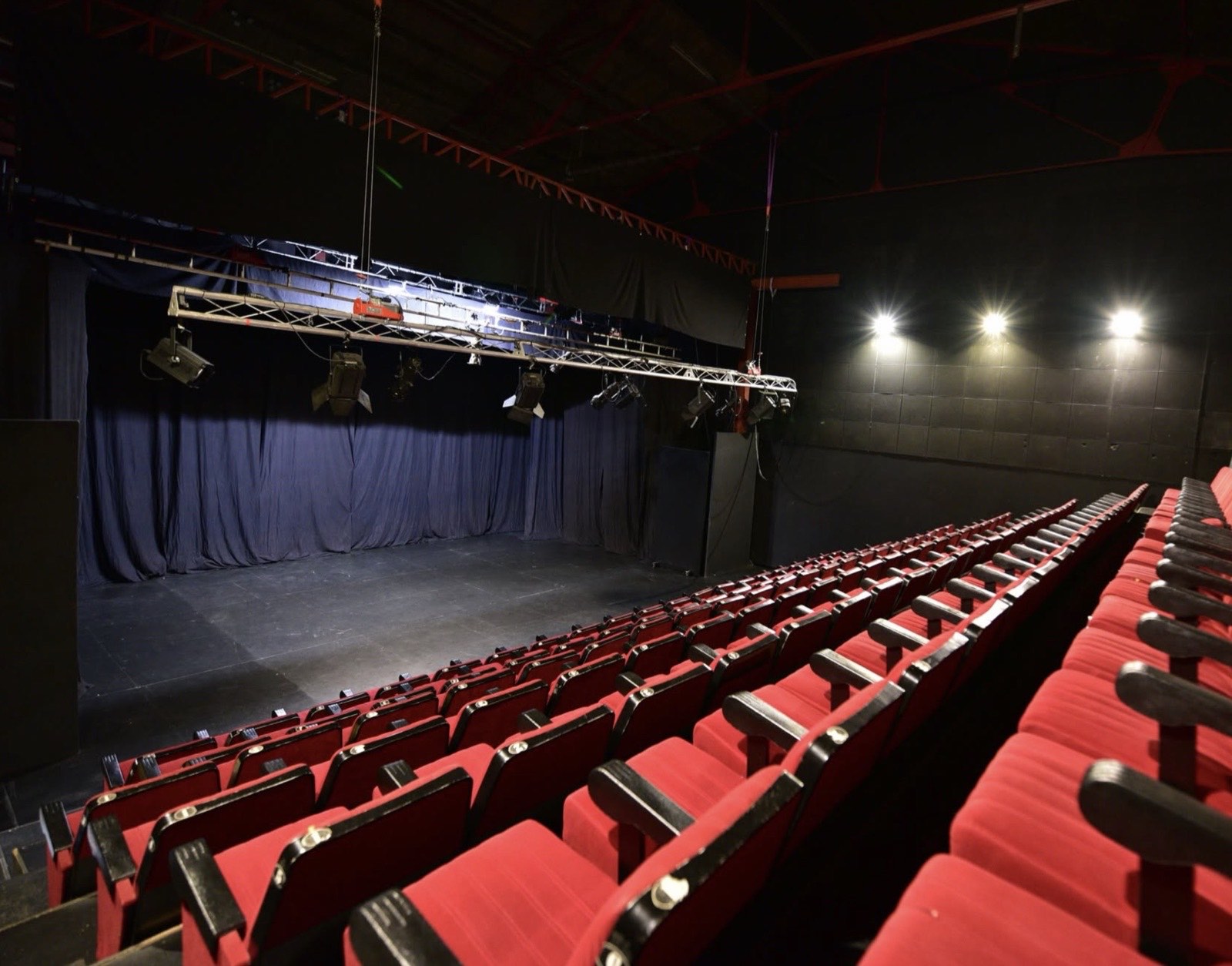
Sala Ártika
Vigo, Spain · four seasons, 2021–2025
5% → 54%
Email click-to-open rate (CTOR), from one generic send to sends segmented by profile.
×10
Pace of reactivation for contacts inactive for over a year, compared with the previous pace.
9.02
Net Promoter Score among loyal attendees after implementation. We report it as third-party context, not as a substitute for our own indicators (Season Return, Attendance Density, Profile Activation), which we built to measure the real relationship.
The model doesn't isolate its effect from other factors such as programming or seasonality. Its introduction coincided with this improvement; it doesn't guarantee it on its own.
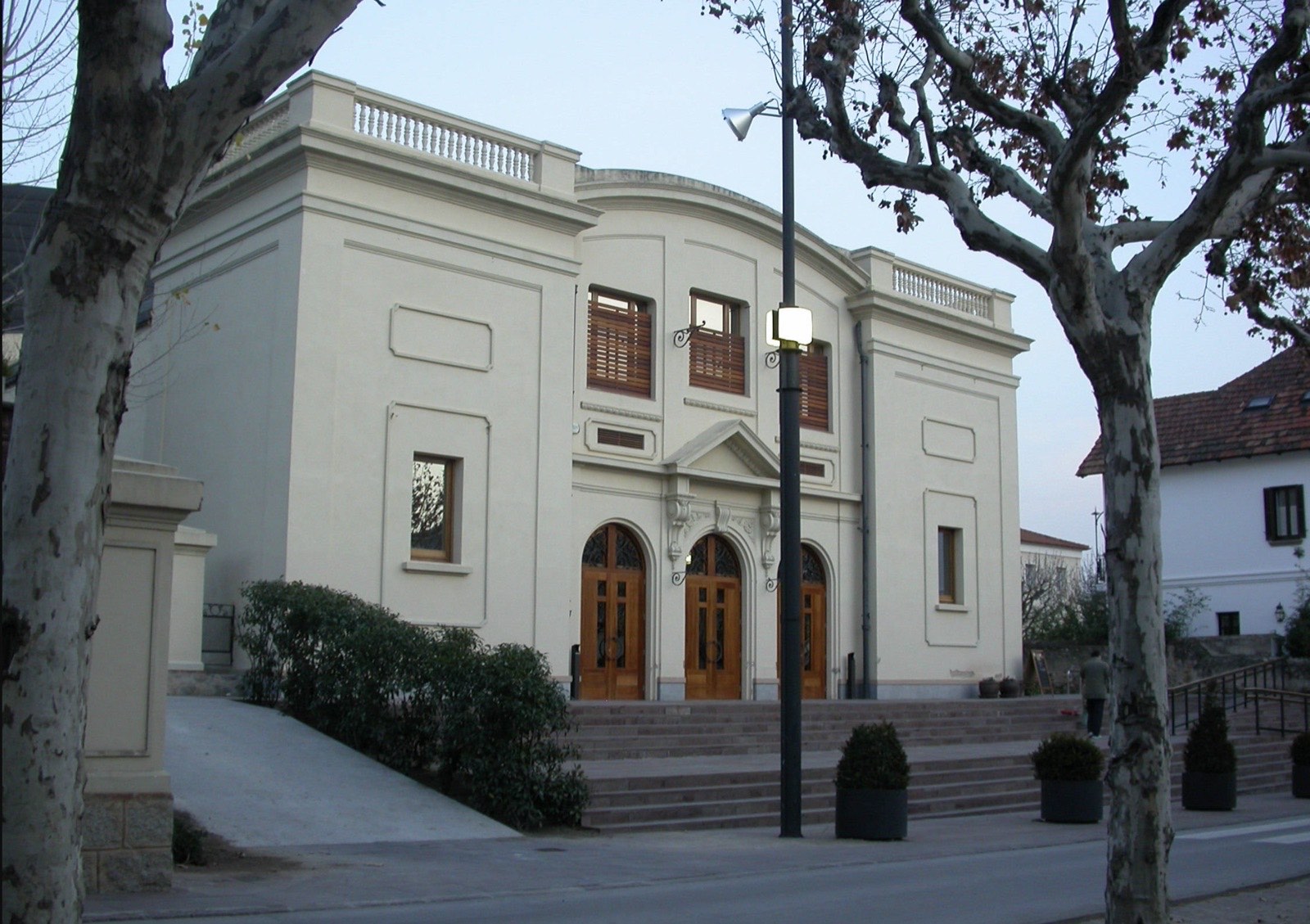
Teatre de la Garriga
Clan Cabane campaign, July 2026
50 min
End-to-end production: diagnosis, messages by profile and channel, and the design of the on-site survey.
310 → 53
Attendees, and answers to the motivational survey via QR code: a 17.1% response rate with no incentive.
24.5%
Of the attendees who answered also chose to leave their contact details.
The Social ritual profile, estimated before the event from the artistic dossier, matched the largest group in the real sample of attendees.
For public authorities
Vindra Territorial: understanding what motivates citizens, for public cultural policy.
Take the method to the scale of your area: a neighbourhood, a whole city or a region. We run the motivational questionnaire anonymously with the general population, without assuming any existing cultural offer to start from. Following our principle of Deliberate Openness, we build a population-wide motivational map that shows which kinds of wellbeing people want and current programming doesn't yet provide. Public cultural programming tends to justify itself to those who fund it, not to those who enjoy it. The map measures the wellbeing people want, not what's already on offer, which is why it points to what the current programme has never looked for.
Design policy and set budget priorities with real data from listening to citizens. We share the aim the European Union sets for audience development: it should serve equity and participation, not commercial optimisation. The data always stays under the control of whoever commissions the study, whether a city council, a provincial authority or a cultural organisation. It is never passed to third parties without their explicit decision.
Governance and ethics
AI with a conscience: an ethical framework that works for culture.
Commercial attention algorithms push commodification and passive engagement. Vindra works under a governance model with four explicit principles.
GovernanceVindra
True to the mission
Aligned with your community's cultural rights, not with the logic of commercial attention.
Active transparency
With users, about how their data is used.
Human oversight
In personalisation, technology assists. It doesn't decide on its own.
Deliberate openness
The questionnaire doesn't start from a particular cultural offer. That makes anonymous motivational mapping possible at the scale of a neighbourhood or a whole city.
We share the aim the Council of the European Union sets out in the Ghent Manifesto: audience data should serve equity, not the maximisation of attention. We don't take part in its data interoperability pillar, because we put each institution's data sovereignty first.
Manifesto
“A sector that doesn't build its own audience models ends up programming for the audience someone else has decided exists. Cultural sovereignty starts with data: who keeps it, who interprets it and whom the conclusions serve.”
Manifesto for Cultural Sovereignty and Algorithmic Biodiversity
Read the full manifestoFAQ
Before you ask.
We don't use hidden tracking scripts. The data we handle is used only for the diagnosis and the communication you hire us for, and it isn't passed to third parties without your consent. Full details are in our privacy policy (in Spanish).
The first step isn't a campaign. It's a diagnosis.
Book a 30-minute session to look at the data your organisation already has and the questions Vindra can answer with it. We work in English and Spanish.